Thank you
This is a long overdue “Thank you” to all the people who have been in touch after reading the blog…. We have had some marvellous new information from people who grew up in the parish and who came here on holiday. We always welcome your memories. I loved the memory of Mrs. Jarvis giving children who stayed with the family tin trays to toboggan down the grass whilst here on holiday, and information on the designer of the loos at the top of the slipway, and other very interesting family history.
One sharp eyed reader spotted a typo in the information about the marvellous Bessie Boynes; a missing letter, now corrected in the post made a big difference to the facts for you to read.
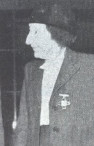
Last month I had another interesting query relating to the Yeoman murders in 1932. This added to the information we already had. Apparently when Mr Yeoman returned to the hospital in visiting hours and shot his 9-year-old son the cry for help from the male ward was heard across in the female ward where a Miss Emma Townsend was visiting her sister. She ran to the male ward and tacked the armed Mr Yeoman. For her bravery Miss Townsend was awarded the British Empire medal. When the BEM was succeeded by the George Medal, the few remaining recipients were invited to donate their British Empire Medals to a museum of their choice, and they were given George Medals. Marion Hebbletwaite is writing a book about the 100 plus people awarded the George Medal, and was looking for a photograph of Emma Townsend. She was put in touch with the Gazette and now has a photograph. The photograph isn’t very clear, should anyone have a better one, Marion would love a copy.
Thanks (in alphabetical order) are also due to the marvellous people who have done research, provided photographs, and documents, and fact checking. So huge thanks to Brenda B, Colin TH,Hugh O, Marion H, Pete P, Phil W, and Tom W.